

Description
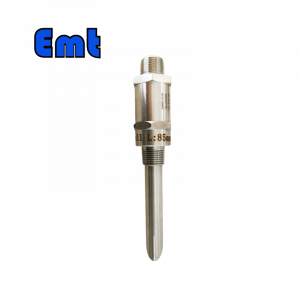
Flanged injection quill parameters
| Name | Flanged Injection Quill |
| Material | Stainless Steel 304、Stainless Steel 316、DSS F51、Carbon Steel A105N、Inconel 625 |
| Operating Temperature | -20±120 |
| Feature | 1. Easy Operating |
| 2. High Accuracy Long Life | |
| 3. High Efficiency, Low cost | |
| Payment | TT/LC |
| Advantage | Firstly, they are lightweight and flexible. |
| Secondly, nice Injection efficiency. | |
| At last, accurate location tracking. |

| Model | ||||||||||||||||||||||||||||
SI | Flanged Injection Quill | |||||||||||||||||||||||||||
| -Code | Plug | |||||||||||||||||||||||||||
| Pxxx | Type | Material | Sealing Material | |||||||||||||||||||||||||
| 0 | No Request | 0 | CS | 0 | No Request | |||||||||||||||||||||||
| 1 | Hollow Plug Body | 1 | 316SS | 3 | DSS | 1 | Viton O-Ring / PTFE Primary Packing | |||||||||||||||||||||
| 2 | Solid Plug Body | 2 | 316LSS | 4 | INCONEL | 2 | HNBR | |||||||||||||||||||||
| – Code | Injection Nut | |||||||||||||||||||||||||||
| Nxx | Connection Size | Material | ||||||||||||||||||||||||||
| 0 | i.e. No Request | 0 | i.e. CS | |||||||||||||||||||||||||
| 1 | i.e. 1/4″ | 1 | i.e. 316SS | 3 | i.e. DSS | |||||||||||||||||||||||
| 2 | i.e. 1/2″ | 2 | i.e. 316LSS | 4 | i.e. INCONEL | |||||||||||||||||||||||
| – Code | Injection Tube | |||||||||||||||||||||||||||
| Sxxx-Lx″ | Connection Size | Material | Nozzle | Line size(x″) | ||||||||||||||||||||||||
| 0 | No Request | 0 | CS | 0 | i.e. No Request | The most effective position for injection is generally at the center of the pipe | ||||||||||||||||||||||
| 1 | i.e. 1/4″ | 1 | i.e. 316SS | 1 | i.e. Open | |||||||||||||||||||||||
| 2 | i.e. 1/2″ | 2 | i.e. 316LSS | 2 | i.e. Quill | |||||||||||||||||||||||
| 3 | i.e. DSS | 3 | i.e. Cap & Core | |||||||||||||||||||||||||
| 4 | i.e. INCONEL | |||||||||||||||||||||||||||
| – Code | Nipple and Valve(or end Flange)of Tee | |||||||||||||||||||||||||||
| Txx | Connection Size | Material | ||||||||||||||||||||||||||
| 0 | i.e. No Request | 0 | i.e. CS | |||||||||||||||||||||||||
| 1 | i.e. 1/4″Nipple | a | i.e. 1/4″Nipple and Valve | 1 | i.e. 316SS | |||||||||||||||||||||||
| 2 | i.e. 1/2″Nipple | b | i.e. 1/2″Nipple and Valve | 2 | i.e. 316LSS | |||||||||||||||||||||||
| 3 | i.e. 3/4″Nipple | c | i.e. 3/4″Nipple and Valve | 3 | i.e. D SS | |||||||||||||||||||||||
| 4 | i.e. 1″Nipple | d | i.e. 1″Nipple and Valve | 4 | i.e. INCONEL | |||||||||||||||||||||||
| 5 | i.e. 1/4″Flange | e | i.e. 1/4″Nipple end Flange | |||||||||||||||||||||||||
| 6 | i.e. 1/2″Flange | f | i.e. 1/2″Nipple end Flange | |||||||||||||||||||||||||
| 7 | i.e. 3/4″Flange | g | i.e. 3/4″Nipple end Flange | |||||||||||||||||||||||||
| 8 | i.e. 1″Flange | h | i.e. 1″Nipple end Flange | |||||||||||||||||||||||||
| For Example, SI-P221-N12-S122-L4″-T22 SI:e.g. Sampling & Injection Assembly, P221: e.g. Solid Plug Body in 316LSS Viton O-Ring and PTFE Primary Packing, N12:e.g. injection Nut Connection Size is 1/4″and Material is 316LSS, S122:e.g. injection Tube Connection Size is 1/4″ and Material is 316LSS.Type of nozzle is quills L4″:For 4″pipe. T22: Nipple of Tee Connection Size is 1/2″, Nipple material is 316LSS | ||||||||||||||||||||||||||||
Introduction
A flanged injection quill is a specialized device that delivers fluids precisely into a process stream, ensuring optimal mixing and dispersion. These tools are crucial in industries where the accurate injection of chemicals, fuel, or other substances directly impacts system efficiency and product quality. Typically, flanged injection quills consist of a long, narrow tube that extends deep into a pipeline or vessel, delivering liquids at targeted locations to promote thorough blending.
Significance in Modern Industry
In modern industrial applications, the role of flanged injection quills has become increasingly significant. Industries such as chemical manufacturing, oil refining, and water treatment rely heavily on these devices. They enable precise control over fluid flow rates and compositions, essential for maintaining rigorous safety and quality standards. Additionally, flanged injection quills help reduce waste and environmental impact by ensuring that only the necessary amount of chemicals enters the process stream.
Moreover, the precise operation of flanged injection quills minimizes the risks associated with handling hazardous materials. By improving safety and efficiency, these injectors contribute significantly to operational reliability and cost-effectiveness. This makes them an indispensable tool in the arsenal of modern industry, driving innovations and improvements across numerous sectors.
Understanding Flanged Injection Quills
A flanged injection quill is a precision device designed to introduce substances into a pressurized process stream or vessel. It features a slender tube that penetrates deep into pipelines, ensuring thorough mixing of substances without external equipment. This capability is pivotal in applications that demand high precision in fluid delivery and mixture quality, such as chemical dosing and fuel injection systems.
The basic functionality of a flanged injection quill centers on its ability to deliver fluids at controlled rates and specific locations within a system. This targeted delivery facilitates optimal mixing and reaction outcomes, crucial in processes like chemical reactions. Precise proportions and thorough mixing dictate the quality of the final product. The main components defining a flanged injection quill include the injection quill itself, a check valve to prevent backflow, a connection flange for process line attachment, and often, a metering valve to control the injection rate.
Historical Development
The origins of Flanged Injection Quills date back to the mid-20th century when industries began to emphasize precision in fluid delivery systems. Initially developed for the oil and gas industry to enhance the injection of corrosion inhibitors and other chemicals, the technology soon found broader applications.
Significant milestones in flanged injection quill technology include integrating advanced materials that withstand corrosive substances and high pressures. This integration has enhanced the durability and reliability of the injectors. The advent of computer-aided design technologies also advanced the precision with which manufacturers could produce these injectors. This allowed for more complex and exacting designs tailored to specific industrial needs.
Moreover, recent advancements have integrated smart technology into flanged injection quills. These enhancements enable real-time monitoring and control of injection parameters. Smart injectors can now adjust flow rates automatically also based on process system feedback, optimizing operation without manual intervention. So this evolution marks a significant leap from their original designs, positioning flanged injection quills as essential components in modern industrial operations.
Types of Flanged Injection Quill
Flanged Injection Quill
Chemical injection quills are meticulously designed to optimize the delivery of chemicals into pressurized systems. They feature a slender tube that extends into the main pipeline, ensuring precise injection at the point of highest fluid turbulence to enhance mixing and reaction efficiency. Typically, operators in the chemical processing industries use these quills for tasks such as pH control, corrosion inhibition, and scale prevention. The design allows for a controlled discharge of chemicals, crucial for maintaining process integrity and product quality.
One of the primary advantages of using chemical injection quills in these industries is their ability to deliver exact amounts of chemicals directly into critical areas. This precision reduces chemical wastage and ensures that the entire process remains cost-effective. Furthermore, by improving the accuracy of chemical dosing, these quills help maintain stringent safety standards, minimizing the risk of chemical overuse or underuse, which can lead to hazardous situations.
Water Treatment Injector
In water treatment, flanged injection quills play a pivotal role in modern water purification processes. They inject coagulants, disinfectants, and pH adjusters into water systems, ensuring the water meets safety and quality standards before it reaches consumers or is returned to the environment. Water treatment injectors are specifically tailored to handle the high flow rates and varying pressures typical in water treatment plants, ensuring consistent and effective treatment across all process stages.
Unique features tailored for water treatment include materials resistant to corrosion and wear, essential given the harsh chemicals often used. Additionally, many water treatment injectors are designed to be easily adjustable, allowing for quick changes in injection rates to respond to fluctuating treatment needs. So this adaptability is crucial for maintaining optimal water quality and adapting to varying demand levels or incoming water conditions.


Reviews
There are no reviews yet.